

Section Editor: Daniel B. Sarvestani
How much do we know?
An interview with Daniel B. Sarvestani (UCW Faculty of Anthropology)
PhD Candidate | Indigenous Peoples Rights Advisor | Anthropologist |
Rehabilitation Therapist
Interviewer: Siavash Rokhsari

1. How much do our students and faculty currently know about the culture and history of Indigenous peoples in Canada? While there are significant initiatives being undertaken by the university, particularly those led by our First Nations colleagues such as Dr. Jack Smith, we are still far from fully appreciating and understanding the rich Indigenous traditions of these lands. This is not a challenge limited to our institution but a broader societal issue rooted in a long history steeped in colonialism and the persecution of Indigenous and First Nations peoples. Addressing this will require consistent reexamination and long-term commitment to promoting knowledge and understanding, not only towards truth and reconciliation but also towards a deeper appreciation of the rich Indigenous traditions of Turtle Island and the Americas at large. 2. What are the key aspects of Indigenous culture and history that students and faculty should know? The cultures and histories of First Nations and Indigenous peoples are incredibly rich and diverse. Everyone who is an immigrant or settler on these lands has a responsibility to learn about and respect the culture and traditions of the First Nations upon whose land they reside. Additionally, it is critical to understand that the vast majority of the territory in British Columbia is considered unceded land. This means that these lands continue to belong to the First Nations, and this legal and moral reality carries significant implications. Gaining an understanding of colonial histories and the traumas inflicted upon Indigenous peoples is essential. The effects of historical traumas, such as dispossession and systemic marginalization, are far-reaching and impact us all. Familiarity with the truth and reconciliation process, along with principles outlined in the United Nations Declaration on the Rights of Indigenous Peoples (UNDRIP), provides valuable tools to begin the collective process of healing. 3. Why is it important for students and faculty to have a deeper understanding of Indigenous peoples and their history in Canada? Healing from historical and intergenerational traumas—created through acts of ethnocide, marginalization, and dispossession—affects everyone. We live on unceded First Nations territories, and it is essential to recognize the legal and moral consequences this entails. Understanding the principles behind truth and reconciliation and UNDRIP equips us with the framework to engage in the collective work of healing—not as isolated individuals but as a unified community. Truth and reconciliation is not just a process for First Nations; it is an open invitation for all of us to honor this land, its history, and its peoples, while also confronting and addressing our own roots and traumas in the context of colonialism and systemic oppression. 4. What tools, resources, or methods are available to help students and faculty learn about Indigenous culture and history? In the coming months, we are working to organize several exciting opportunities for students and faculty to engage with initiatives promoting UNDRIP and truth and reconciliation. There is a strong institutional commitment to incorporating Indigenous approaches and epistemologies into our curriculum, providing avenues for deeper engagement. The university has recently launched new initiatives to expand these opportunities. Additionally, public forums and resources are available to facilitate a better understanding of UNDRIP and international standards on Indigenous peoples’ rights. Many of our faculty members are actively involved in collaboration with First Nations communities, and the insights and expertise of our First Nations colleagues are invaluable in providing students and staff with perspectives on the history, culture, and rights of the First Nations of this land.


RE
Reconnect with Nature
Recycle
Reconciliate
Student term project
Visual Communication in Mass Media-Summer 2024
Siavash Rokhsari


The Art of Emily Carr:
A tour of Vancouver Art Gallery
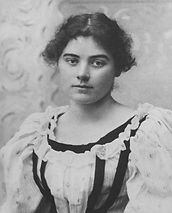
Emily Carr (1871–1945) is one of Canada’s most celebrated artists, known for her vibrant depictions of British Columbia’s landscapes and Indigenous cultural heritage. Born in Victoria, Carr drew inspiration from the rugged coastal scenery and First Nations art, particularly the totem poles and village sites she encountered during her travels.
Her works displayed in the Vancouver Art Gallery include iconic pieces like Big Raven and Forest, British Columbia, showcasing her distinct style that blends Post-Impressionism and modernist influences. These works reflect her deep connection to nature and her efforts to document Indigenous art and culture with respect and reverence.
The Vancouver Art Gallery houses a significant collection of Carr’s paintings, highlighting her evolution as an artist and her role in shaping Canadian art. It often features her work in dedicated exhibitions, providing insight into her innovative use of color, form, and emotional depth

Photos by Siavash